

 794
794


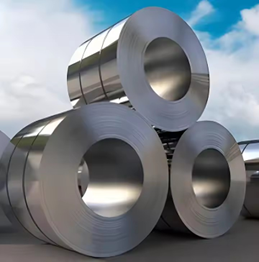
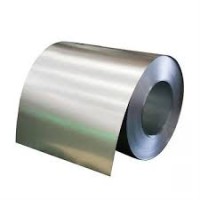
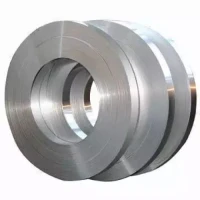
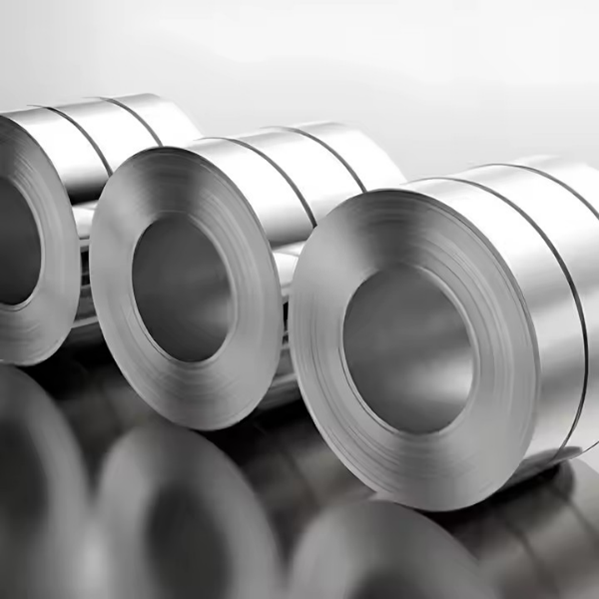
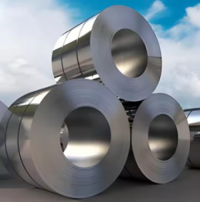
Silicon Steel Coil, also known as electrical steel coil or lamination steel, is a specialized material designed to improve magnetic performance and reduce energy losses in electrical equipment. It contains 0.5% to 6.5% silicon, which increases electrical resistivity and decreases hysteresis and eddy current losses, making it ideal for energy-efficient applications.
There are two main types of silicon steel: Grain-Oriented (GO) and Non-Grain-Oriented (NGO). GO silicon steel is primarily used in transformers due to its high magnetic flux density along one direction, while NGO silicon steel offers uniform magnetic properties in all directions, perfect for motors and generators.
Silicon steel coils are produced through precise melting, rolling, annealing, and coating processes to achieve superior surface quality and stable magnetic properties. They are often coated with inorganic or organic insulation layers to prevent oxidation and minimize energy loss.
Known for their high permeability, low core loss, and excellent durability, silicon steel coils are essential in manufacturing transformers, electric motors, alternators, and inductors. They contribute to higher efficiency, reduced vibration, and longer equipment lifespan.
Available in various grades and thicknesses, silicon steel coils comply with international standards such as ASTM, EN, and JIS. Packed securely for protection during transit, these coils combine performance, reliability, and cost-effectiveness which makes them a preferred choice across the electrical and industrial sectors.
The main use of oriented silicon steel coil is to manufacture the iron core of various types of transformers, and its high permeability and low loss characteristics make it the core material in power transmission systems.
Specific areas of application include: Power transformers. Order Now!